
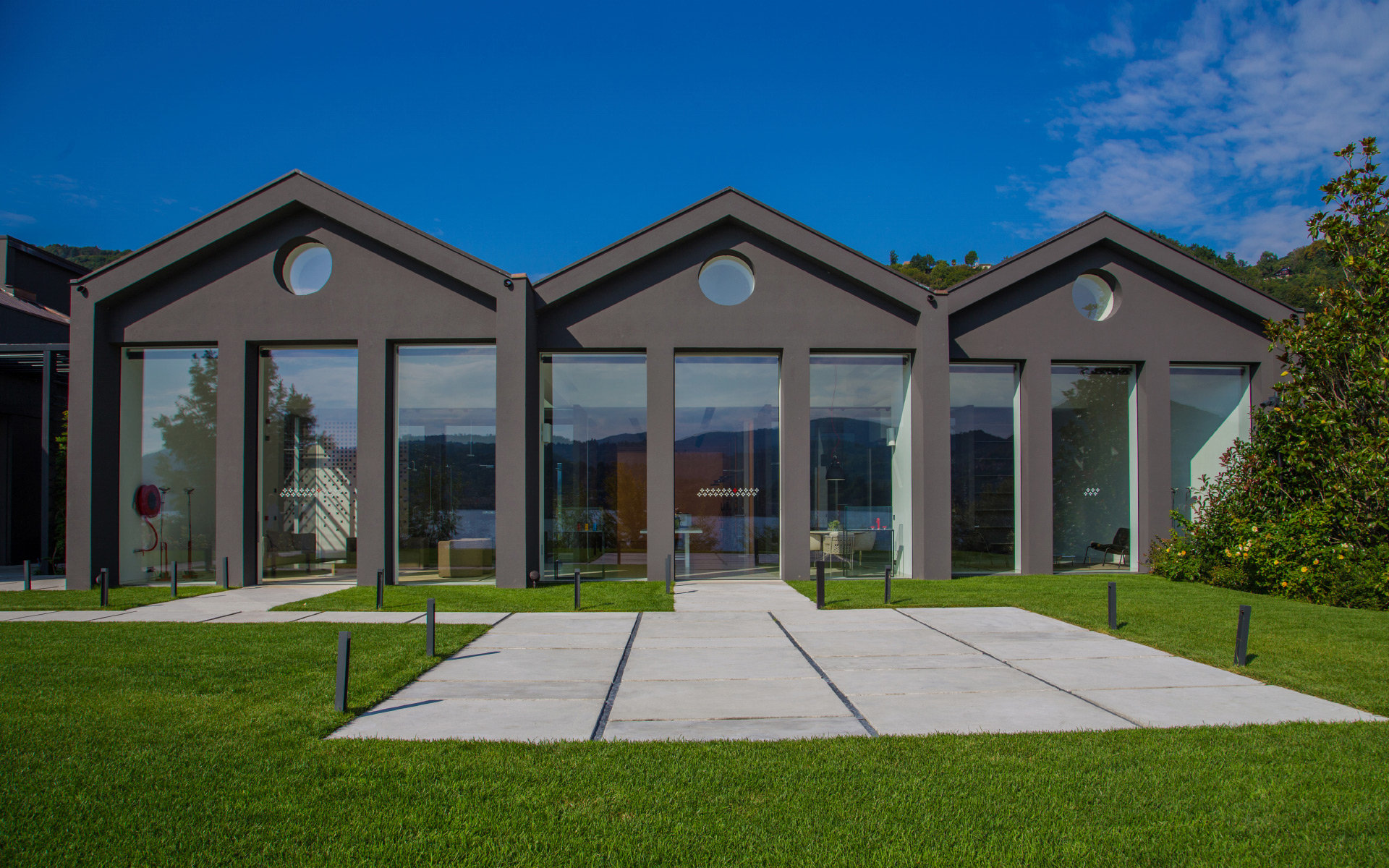

Functional buildings
Whether it is an office block, a shopping centre, a hospital or an airport, no large building can function today without a modern building automation system.
Thanks to intelligent management of technical systems, all the building’s systems can operate in a coordinated manner to provide occupants with optimal conditions of well-being, comfort and safety during the hours they spend each day at work, at school or in commercial spaces. Only a truly intelligent building is capable of ensuring maximum energy efficiency, optimising the use of resources and reducing operating costs throughout the building’s entire life cycle.


Automation is a standard
The revision of the EPB directive requires that large non-residential buildings will be equipped with automation and control systems by 2025: a confirmation of the central role that the EU assigns to these systems.


Let's light up the HCL
What is behind the acronym HCL? It's Human Centric Lighting, a revolutionary light management concept that focuses on people and their daily lives. And that needs the home automation control of the luminaires.


Minimum energy class: B
For years, the standard EN 15232 has guided designers in classifying buildings in terms of energy efficiency. In Italy from 2015 the decree 'Minimum requirements' prescribes a building automation level to reach at least Class B for non-residential buildings.


Ready for the BIM
Ekinex is ready for the BIM era: from January 1st 2019 for large public works and then for the rest of the works, the BIM is destined to change over time the design and operation of the buildings.


DCV ventilation
Isolating buildings and equipping them with high-performance windows and doors brings considerable energy advantages, but also the need for a precise control of the air quality to ensure well-being and health in confined spaces.


nZEB: the new era of buildings
Nearly-zero energy buildings: from the utopia of the beginning of the millennium to a law requirement that from the end of 2020 concerns all new buildings. And that appears more concrete thanks to building automation.
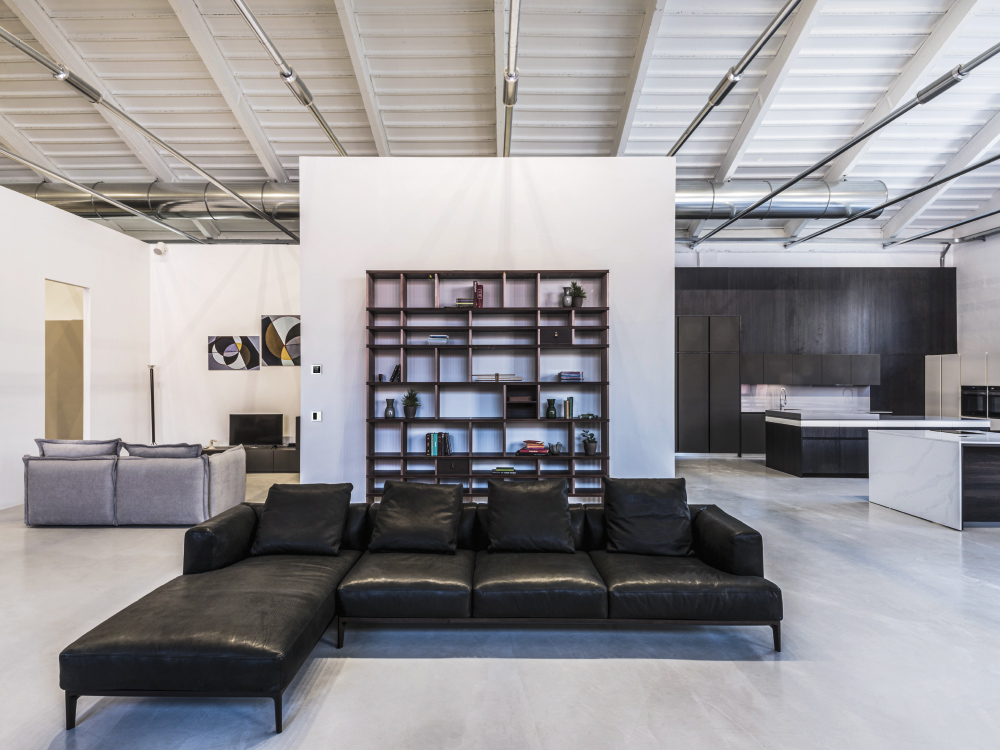
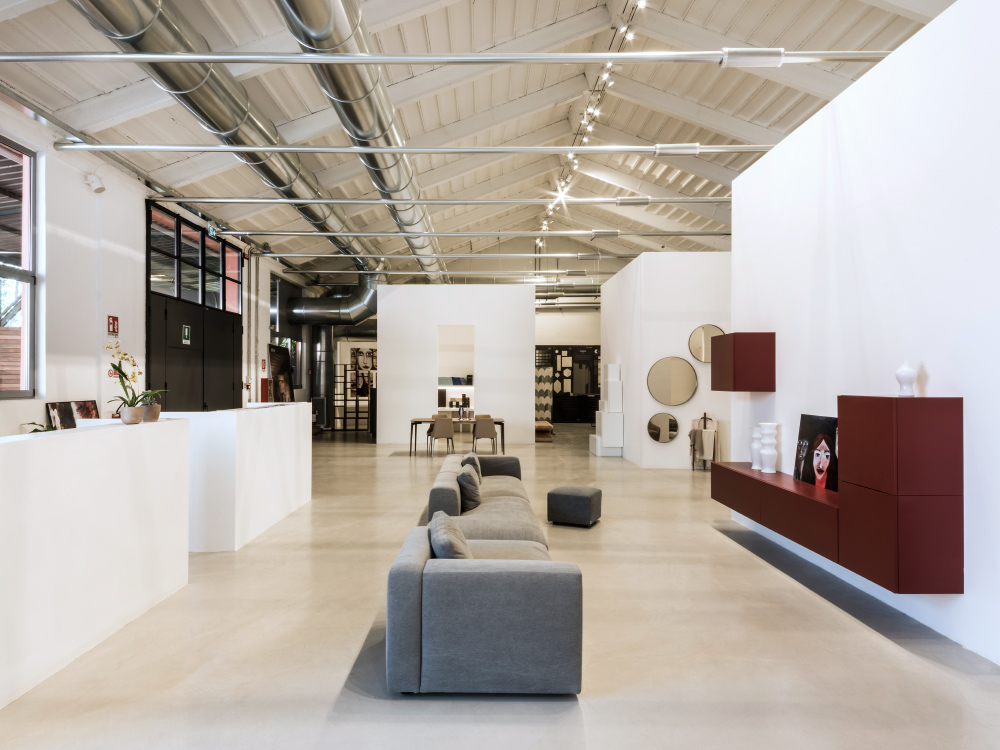
The spaces within service sector buildings often need to be reconfigured to keep pace with changing organisational requirements. In the case of large corporate headquarters, offices, banks and insurance companies, this may even take place every 18–24 months. The ability to reprogramme the building automation system without physically altering the connections allows spaces to be adapted flexibly, avoiding lengthy and costly disruptions to business operations.
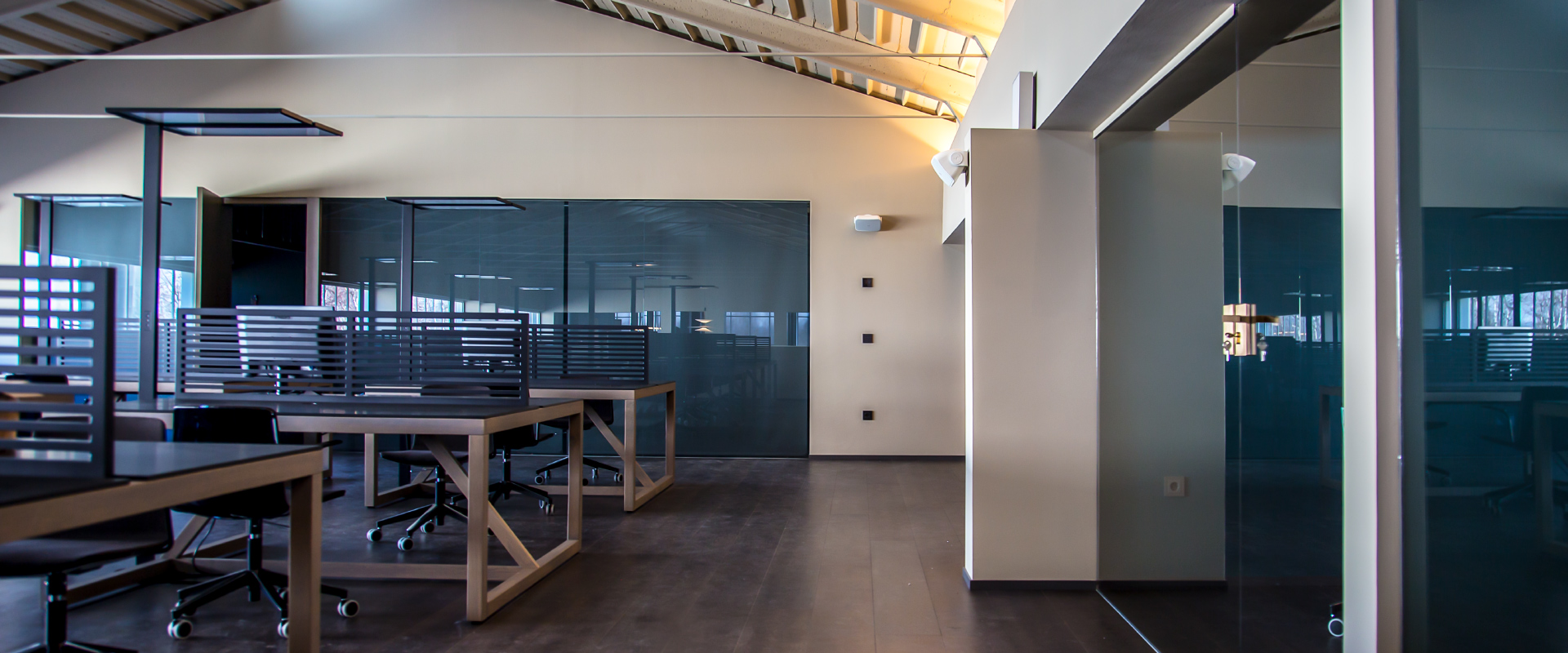
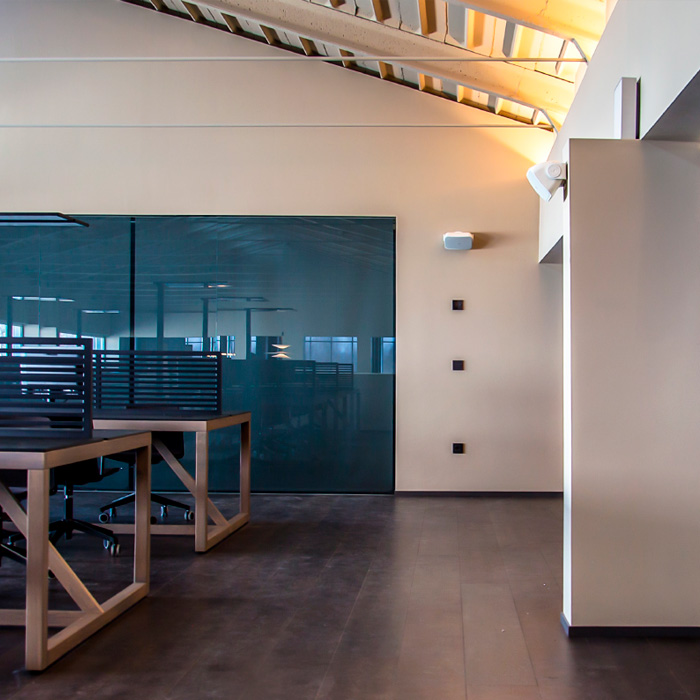
Having an Ekinex building automation system also means being able to centrally monitor all the key parameters for the building’s operation and take prompt action when these deviate from expected values, ensuring operational continuity. Furthermore, system monitoring enables the optimisation of energy efficiency, quickly identifying any drops in performance and allowing the appropriate corrective measures to be taken immediately.


Multisensors
Ensure consistent thermal comfort and air quality in workplaces, commercial premises or schools where people spend many hours each day. With the EK-ET3-TP and EK-ES3-TP multi-sensors.


Presence sensors
In the tertiary buildings, it is often advantageous to combine manual controls with automatic presence-dependent control of systems such as lighting and air conditioning.
To meet the needs of modern commercial buildings and protect your investment in the long term, it is essential to adopt an Ekinex building automation system, developed in accordance with the open KNX standard. An international and interoperable standard, compliant with the main ISO, IEC, CENELEC, CEN, ANSI and ASHRAE standards, which integrates easily with IP networks and the most widely used protocols in large buildings, such as BACnet, DALI, Modbus and M-Bus.